
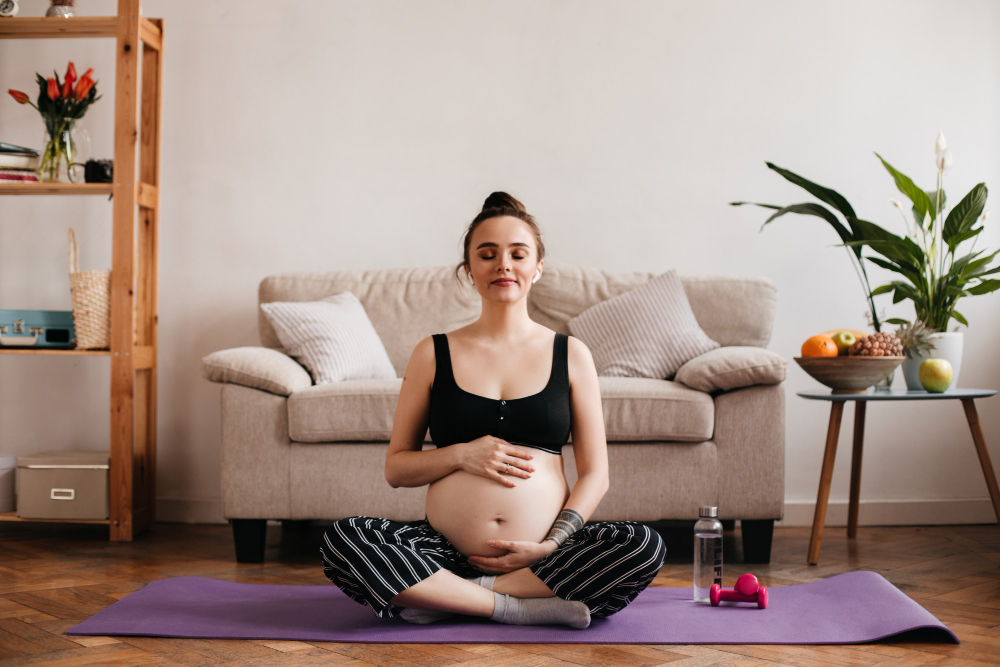
Pregnancy wellness is important for both mother and baby. Antenatal exercise plays a key role in keeping you healthy during pregnancy. In this guide, you will learn about the benefits of safe pregnancy workouts, how to start, and when to seek help. Staying active can make your pregnancy journey smoother and more enjoyable.
Benefits of Antenatal Exercise
Staying active during pregnancy offers many advantages. For example, regular movement can help you feel better and reduce stress. According to the World Health Organization (WHO), exercise during pregnancy supports both physical and mental health. Here are some key benefits:
Additionally, exercise can boost your confidence and help you connect with your changing body.
Safe Types of Exercises During Pregnancy
Not all exercises are safe during pregnancy. However, many gentle activities can be helpful. Always choose movements that feel comfortable. Here are some safe options:
Before starting any new activity, talk to your healthcare provider. They can help you pick the best prenatal fitness plan for you.
Precautions and Contraindications
While exercise is safe for most, some women need extra care. For instance, you should avoid high-impact sports or activities with a risk of falling. Here are some important precautions:
Some conditions, like heart problems or severe anemia, may mean you should not exercise. Always check with your doctor before starting any program.
How to Get Started: Tips for Beginners
Starting antenatal exercise can feel overwhelming. Yet, small steps make a big difference. Here are some tips for beginners:
Remember, even light movement counts. Over time, you can slowly increase your activity level.
Common Myths About Exercise in Pregnancy
Many myths surround exercise during pregnancy. However, most are not true. Let’s clear up some common ones:
Always rely on trusted sources like the CDC or your healthcare provider for advice.
When to Consult a Physiotherapist
Sometimes, you may need expert help. For example, if you have pain, weakness, or special health needs, a physiotherapist can guide you. Here’s when to seek help:
Physiotherapy for pregnancy can help you stay active and safe.
Lifestyle and Wellness Tips for Expectant Mothers
Besides exercise, a healthy lifestyle supports pregnancy wellness. Here are some simple tips:
Moreover, regular check-ups with your doctor are important for your health and your baby’s well-being.
Prevention of Common Pregnancy Discomforts Through Exercise
Many women face discomforts during pregnancy. However, regular exercise can help prevent or ease some of these issues. For example:
Always listen to your body and adjust your routine as needed.
In summary, antenatal exercise is a key part of pregnancy wellness. Safe movement supports your health and prepares you for childbirth. For personalized advice, consult a physiotherapist or healthcare provider before starting any new exercise routine.