
Introduction to Rehabilitation and Its Importance
Starting your rehabilitation journey can feel overwhelming. However, understanding what lies ahead can help you feel more confident. Rehabilitation, also called physical medicine and rehabilitation or physiotherapy, helps people recover after injury, surgery, or illness. According to the World Health Organization (WHO), rehabilitation improves daily function and quality of life. For many, it is a key step toward regaining independence.
Preparing for Your First Rehabilitation Session
Before your first session, you may feel nervous or unsure. But knowing what to expect can ease your mind. Usually, your physiotherapist will review your medical history and ask about your symptoms. They may also perform a gentle physical exam. This helps them create a plan tailored to your needs. Remember, you can ask questions at any time. Bring comfortable clothing, as you may need to move or stretch during your visit.
Common Steps in the Rehabilitation Journey
Every rehabilitation journey is unique. Still, most people follow a similar process. Here are the common steps:
Throughout the rehab process, your team will support you and adjust your plan as needed.
What Happens During Therapy Sessions
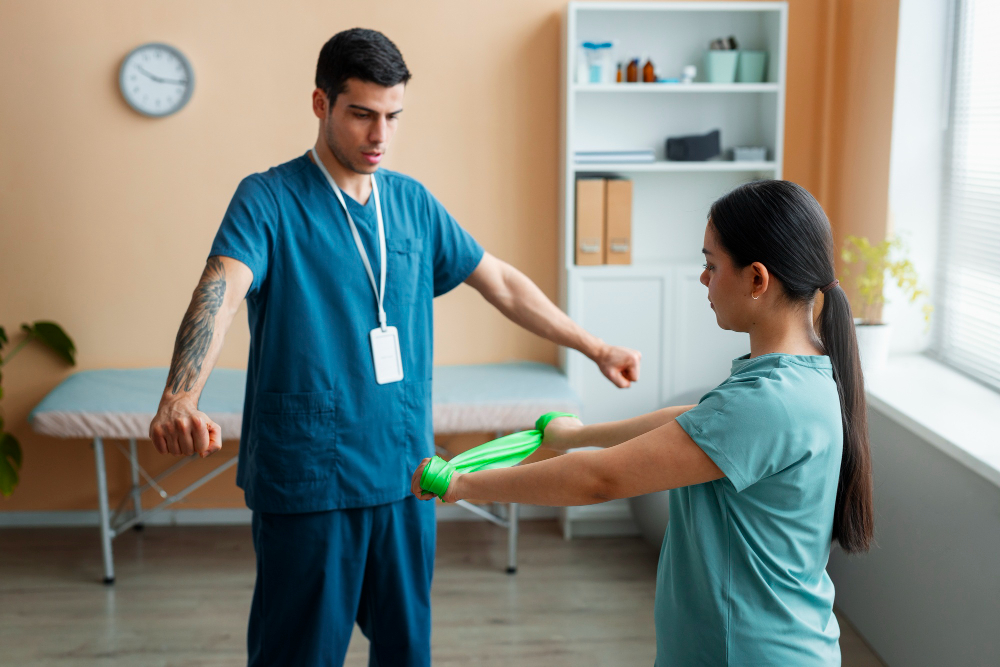
During each session, you will work closely with your physiotherapist. First, they may ask how you are feeling. Next, you might do gentle stretches, strength exercises, or balance activities. Sometimes, they use special tools or machines to help. For example, you may try walking aids or resistance bands. Your therapist will guide you and make sure you are safe. If you feel pain or discomfort, let them know right away. Open communication helps you get the best results.
Typical Duration and Progress Milestones
Rehabilitation is a step-by-step process. The length of your rehab journey depends on your condition and goals. Some people need only a few weeks, while others may need several months. However, you should notice small improvements along the way. Common milestones include:
Your therapist will celebrate your progress and help you set new goals as you improve.
Tips for Maximizing Your Rehabilitation Outcomes
To get the most from your rehabilitation journey, try these tips:
Additionally, remember that small steps add up over time. Consistency is key to success.
Addressing Common Concerns and Questions
Many people have questions about the rehab process. For example, you may wonder if therapy will hurt. Most exercises should not cause pain, but some discomfort is normal as you build strength. If you feel sharp pain, tell your therapist right away. Others worry about the cost or time needed. Some insurance plans cover physical medicine and rehabilitation. Check with your provider or local rehabilitation centers near you for details. If you feel stuck or discouraged, talk to your care team. They can help you adjust your plan.
When to Seek Additional Help
Sometimes, you may need extra support during your rehabilitation journey. Seek help if you notice:
Early action can prevent setbacks and keep you on track. Your therapist or doctor can guide you to the right care.
In summary, your rehabilitation journey is a path to better health and independence. For the best results, consult a qualified physiotherapist or rehabilitation specialist for personalized guidance on your rehabilitation journey.