
Pelvic Floor Exercises and Matrix Rhythm Therapy: Effective Solutions for Pelvic Floor Dysfunction
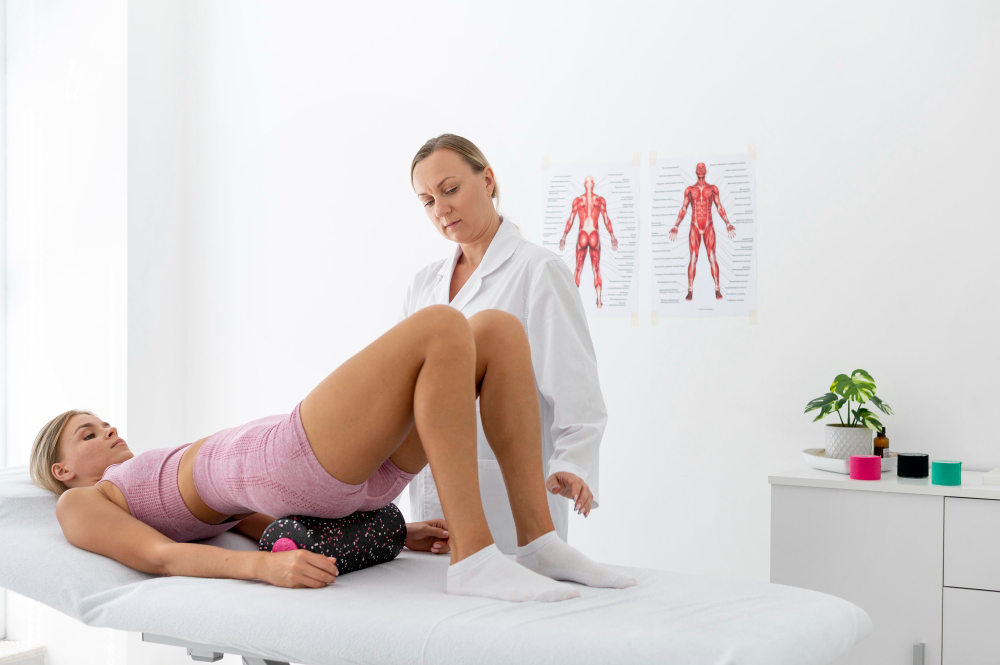
What is Pelvic Floor Dysfunction? Pelvic floor dysfunction is a condition where the muscles in your pelvic area do not work as they should. These muscles support your bladder, bowel, and, in women, the uterus. When these muscles are weak or too tight, you may have trouble controlling your bladder or bowel. Sometimes, you may […]
Matrix Rhythm Therapy for Chronic Back and Neck Pain: How It Helps

Introduction Matrix Rhythm Therapy for chronic back and neck pain is gaining attention as a gentle, non-invasive pain relief method. Many people suffer from ongoing back and neck pain, which can limit daily activities. However, Matrix Rhythm Therapy offers a new approach. It uses gentle vibrations to help muscles and tissues heal. In this blog, […]
Matrix Rhythm Therapy in Sciatica and Nerve Compression
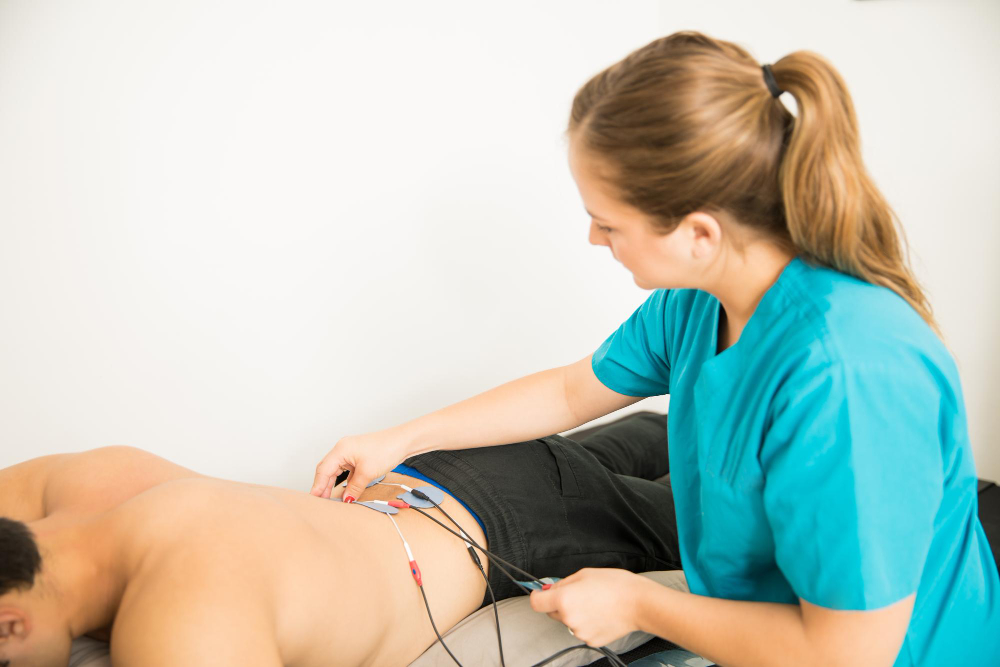
What is Sciatica and Nerve Compression? Sciatica is pain that travels along the path of the sciatic nerve. This nerve runs from your lower back down each leg. Nerve compression happens when something presses on a nerve. For example, a slipped disc or swelling can cause this pressure. As a result, you may feel pain, […]
Matrix Rhythm Therapy for Frozen Shoulder: Benefits, Process, and Results

Introduction Matrix Rhythm Therapy for frozen shoulder is gaining attention as a gentle, non-invasive treatment. Many people with frozen shoulder struggle with pain and stiffness. Because traditional therapies may not always work, new options are welcome. Matrix Rhythm Therapy is now seen as a promising choice for frozen shoulder physiotherapy. In this blog, you will […]
Matrix Rhythm Therapy for Sports Injuries: Benefits, Process, and Recovery

What is Matrix Rhythm Therapy? Matrix Rhythm Therapy is a gentle, non-invasive treatment. It uses rhythmic vibrations to help the body heal. Many athletes and active people use it for sports injury recovery. The therapy focuses on the body’s cells and tissues. As a result, it can support faster healing and reduce pain. How Does […]
Top Physiotherapy Therapies for Chronic Pain Relief

Introduction Chronic pain can last for months or even years. It affects daily life and can lower your mood. Many people search for safe and lasting ways to manage pain. Physiotherapy offers hope. In fact, top physiotherapy therapies for chronic pain relief can help you move better and feel stronger. This blog will explain how […]
Prenatal and Postnatal Physiotherapy: Essential Care for Mothers-to-Be
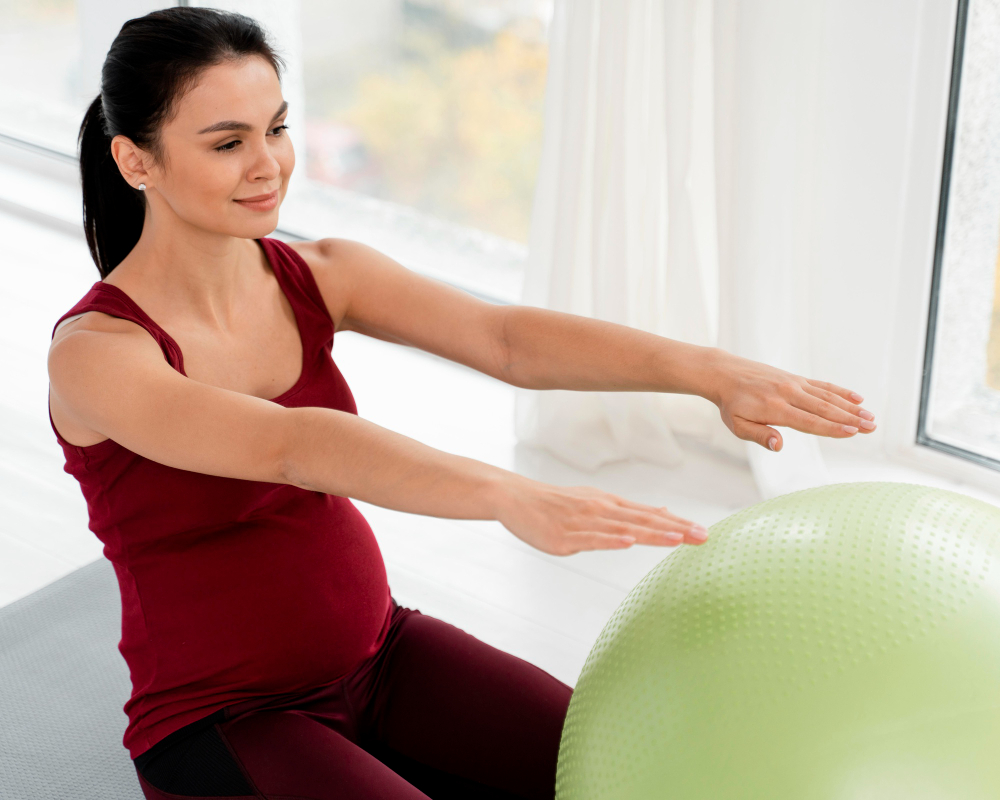
Prenatal and postnatal physiotherapy helps mothers-to-be stay healthy before and after childbirth. Prenatal physiotherapy supports women during pregnancy, while postnatal physiotherapy aids recovery after delivery. Both types of care can ease pain, improve movement, and boost well-being. Because every pregnancy is unique, these therapies offer safe and gentle ways to support mothers. In this blog, […]
Physiotherapy for Migraine: How Matrix Rhythm Therapy Helps

Migraine is a common type of headache that can cause severe pain. Many people look for ways to manage migraine without medicine. Physiotherapy for migraine is a safe and effective option. It uses gentle movements and special techniques to ease pain. One new method is matrix rhythm therapy. This therapy helps reduce headache frequency and […]
Physiotherapy for Shoulder Impingement Pain Relief: How Matrix Rhythm Therapy Helps

What is Shoulder Impingement? Shoulder impingement happens when the soft tissues in your shoulder get pinched. This can cause pain and limit movement. Often, the space between the bones in your shoulder becomes too small. As a result, tendons or bursae get squeezed. This problem is common in people who use their arms a lot, […]
Physiotherapy for Paraparesis: Regain Strength and Mobility – How Matrix Rhythm Therapy Helps

What is Paraparesis? Paraparesis means weakness in both legs. It can make walking and daily tasks hard. Often, people with paraparesis feel less control over their legs. Because of this, they may need help to move or stand. Paraparesis can happen suddenly or develop slowly. Early care is important for better recovery. Physiotherapy for paraparesis […]