
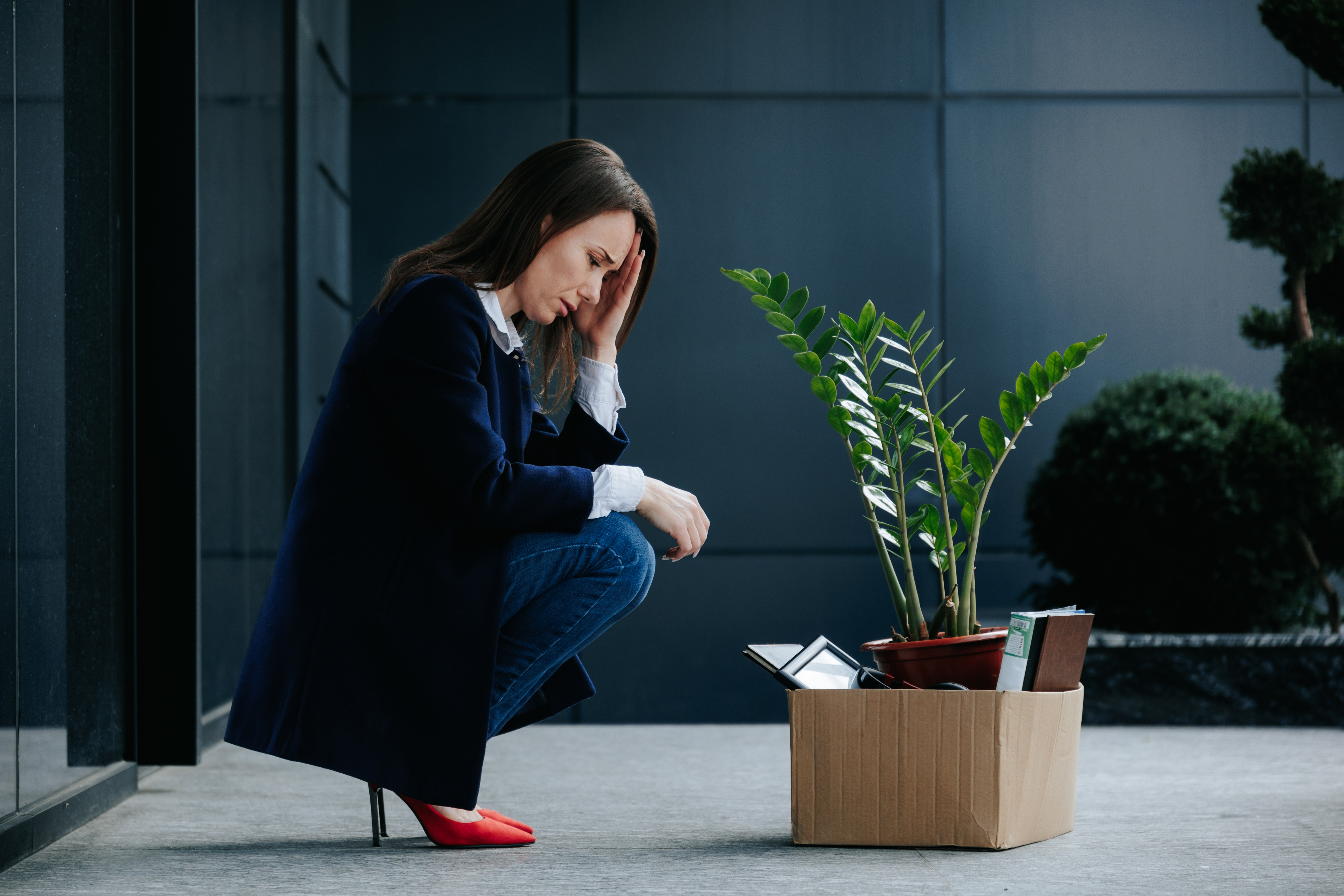
What is Low Self-Esteem?
Low self-esteem means having a poor opinion of yourself. People with low self-esteem often doubt their abilities. They may feel unworthy or not good enough. In physical medicine and rehabilitation, counseling low self-esteem is important. Many people face self-esteem issues after injury or illness. Therefore, improving self-esteem can help with recovery. Rehabilitation counseling for low self-esteem supports both mental and physical health. Self-esteem therapy can make a big difference in how someone feels and heals.
Common Symptoms of Low Self-Esteem
Low self-esteem can show up in many ways. For example, you might notice these signs:
However, not everyone will have all these symptoms. If you notice several of them, it may be time to seek help.
Causes and Risk Factors
Many things can lead to low self-esteem. Sometimes, it starts in childhood. Negative comments from family or teachers can have a big impact. In addition, bullying or trauma can lower self-worth. Physical injuries or long-term illness may also affect how you see yourself. For example, losing the ability to do daily tasks can be hard. Other risk factors include:
According to the World Health Organization (WHO), mental health is closely linked to physical health. Therefore, addressing both is key in rehabilitation.
How Counseling Helps in Physical Medicine and Rehabilitation
Counseling low self-esteem is a vital part of rehabilitation. After an injury or illness, many people feel less confident. For instance, they may worry about their future or abilities. Rehabilitation counseling for low self-esteem helps people cope with these feelings. It supports emotional healing along with physical recovery. Moreover, self-esteem therapy can boost motivation. When people feel better about themselves, they are more likely to stick with treatment. This leads to better outcomes in physical therapy and daily life.
Effective Counseling Strategies and Techniques
There are several ways counselors help improve self-esteem. Some common strategies include:
In addition, counselors may work with physiotherapists. Together, they create a plan that supports both mind and body.
Tips for Maintaining Healthy Self-Esteem
Maintaining self-esteem takes practice. Here are some helpful tips:
Above all, remember that self-esteem can improve over time. With effort and support, you can feel better about yourself.
When to Seek Professional Help
Sometimes, low self-esteem does not improve on its own. If you feel sad, anxious, or hopeless most days, it may be time to seek help. For example, if low self-esteem affects your work, school, or relationships, a counselor can help. In physical medicine and rehabilitation, professionals understand these challenges. They offer support and tools to help you feel better. Early help can prevent bigger problems later.
If you or someone you know struggles with low self-esteem, do not wait. Consult a qualified counselor or physiotherapist for personalized support with low self-esteem.