
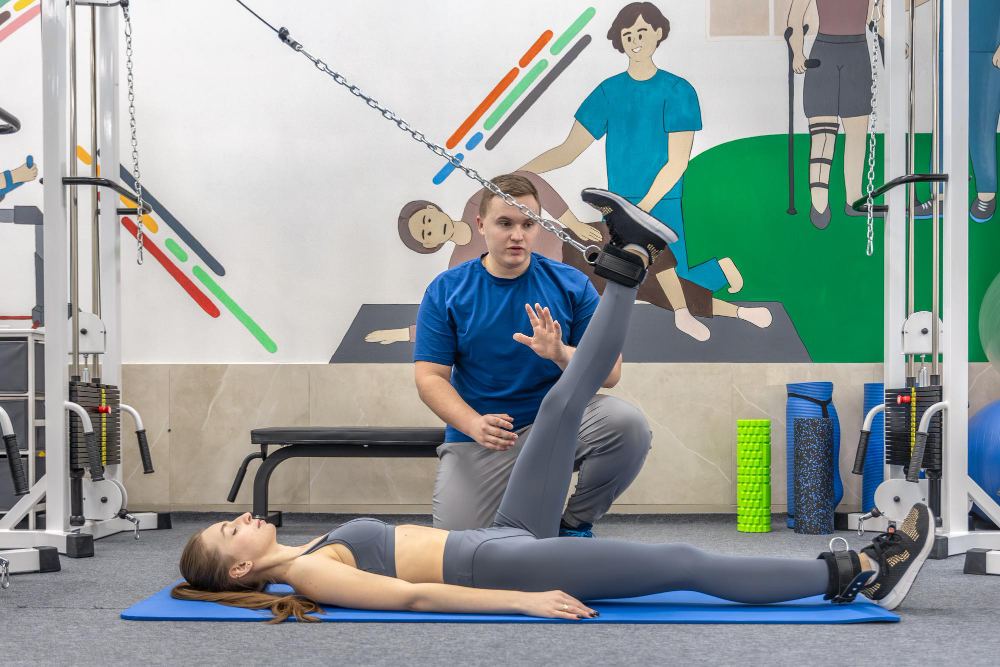
What Is Functional Training in Physiotherapy?
Functional training in physiotherapy is a way to help your body move better. It focuses on exercises that copy real-life movements. For example, you might practice standing up from a chair or reaching for objects. Because these moves are part of daily life, functional training helps you do them safely and easily. In fact, many physiotherapists use this approach to support rehabilitation for daily living. According to the World Health Organization, being able to perform daily activities is key to good health.
Key Benefits of Functional Training
Functional training offers many advantages. Not only does it help you recover after injury, but it also makes daily tasks easier. Here are some main benefits:
Because these benefits support your daily life, many people find functional training helpful at any age.
Common Functional Training Exercises
Many exercises in physiotherapy for daily activities are simple and practical. For example, you might practice:
Because these are functional movement exercises, they match the actions you do every day.
How Physiotherapists Design Functional Training Programs
Every person is different. Therefore, physiotherapists create custom plans for each patient. First, they check your current strength, balance, and movement. Next, they ask about your daily routines and any problems you have. After that, they choose exercises that fit your needs. For example, if you have trouble getting out of bed, your plan will include similar movements. As you improve, your physiotherapist may add new exercises or make them harder. This way, your program always matches your goals.
Safety Tips and Precautions
Staying safe during functional training is very important. Because you may be recovering from injury or illness, always follow your physiotherapist’s advice. Here are some safety tips:
Because safety comes first, never try new exercises without guidance.
How Functional Training Improves Daily Activities
Functional training makes everyday life easier. For example, you may find it simpler to carry groceries or climb stairs. In addition, you may notice less pain when bending or reaching. Over time, these improvements can help you stay independent. According to the CDC, being able to do daily activities supports both physical and mental health. Because functional training targets real-life movements, it helps you stay active and confident.
Who Can Benefit from Functional Training?
Many people can benefit from functional training in physiotherapy. For example, it helps:
Because functional movement exercises are safe and practical, they suit many ages and fitness levels. Always talk to a physiotherapist to find the best plan for you.