
Introduction: Why Gait Correction Matters
Walking is a basic part of daily life. However, some people have trouble with their walking pattern, also called gait. Physiotherapy for gait correction can help improve how you walk. This can make daily tasks easier and reduce pain. In fact, a healthy gait lowers your risk of falls and injuries. For many, fixing gait problems leads to better confidence and independence.
Common Causes of Abnormal Gait
Many things can affect the way you walk. Sometimes, these changes happen after an injury. Other times, they develop slowly. For example, muscle weakness or joint pain can change your gait. In addition, nerve problems or certain illnesses may play a role. Here are some common causes:
How Physiotherapy Helps in Gait Correction
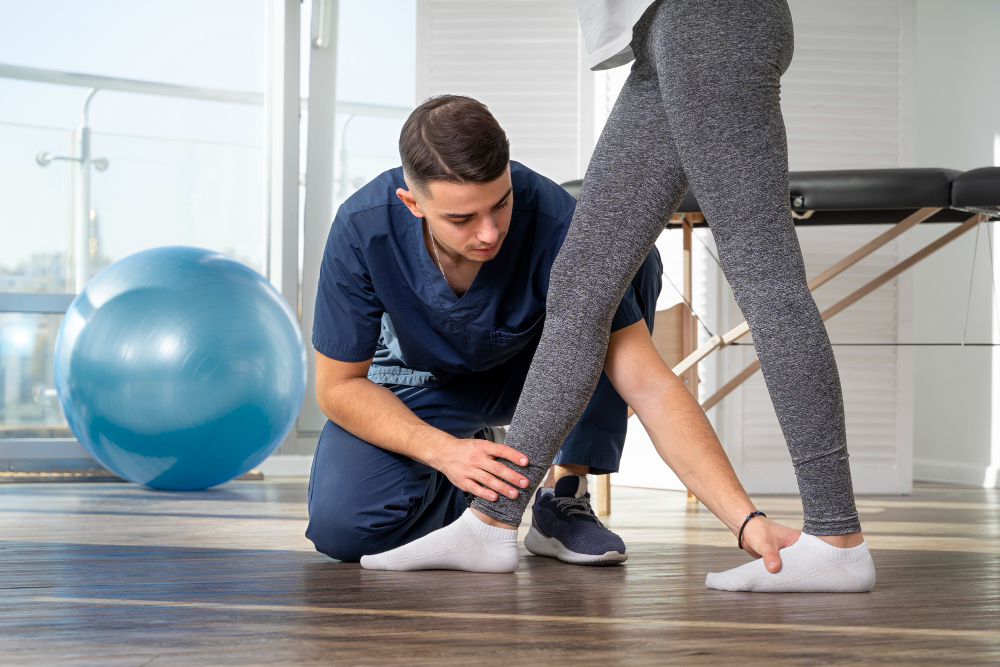
Physiotherapy for gait correction uses special exercises and training. These help you move better and walk more safely. Moreover, physiotherapists teach you how to use your muscles and joints the right way. They also help you build strength and balance. As a result, you may notice less pain and more confidence when walking.
Assessment and Diagnosis in Physiotherapy
Before starting treatment, a physiotherapist will assess your gait. First, they watch how you walk. Then, they may check your strength, balance, and flexibility. Sometimes, they use video or special tools to study your movement. This helps them find the exact problem. After the assessment, they create a plan just for you. According to the World Health Organization (WHO), early assessment leads to better outcomes.
Physiotherapy Techniques and Gait Training Exercises
There are many ways to improve your walking pattern. Your physiotherapist will choose the best methods for you. Some common techniques include:
For example, your therapist may ask you to walk slowly, focusing on each step. Or, you might practice standing on one leg to build balance. Over time, these exercises can make a big difference.
Expected Benefits and Outcomes
With regular physiotherapy for gait correction, you can expect many benefits. Not only can you walk more easily, but you may also feel less pain. Additionally, you will likely have better balance and fewer falls. Some people notice more energy and confidence. According to the Centers for Disease Control and Prevention (CDC), gait training can reduce fall risk in older adults. Here are some key benefits:
Tips for Maintaining Progress and Preventing Future Gait Issues
After you finish your therapy sessions, it is important to keep up the good work. Therefore, follow these tips to maintain your progress:
By following these steps, you can help prevent future problems and keep walking strong.
When to Consult a Physiotherapist
If you notice changes in your walking pattern, do not wait. For instance, if you feel pain, lose balance, or start limping, seek help. Early treatment often leads to better results. You can find physiotherapy clinics near you for expert advice. Remember, a qualified physiotherapist can guide you through safe and effective gait correction.
Conclusion
In summary, physiotherapy for gait correction can help you walk better and feel more confident. With the right assessment and exercises, many people see great results. If you have concerns about your walking, consult a qualified physiotherapist for personalized gait correction guidance.