
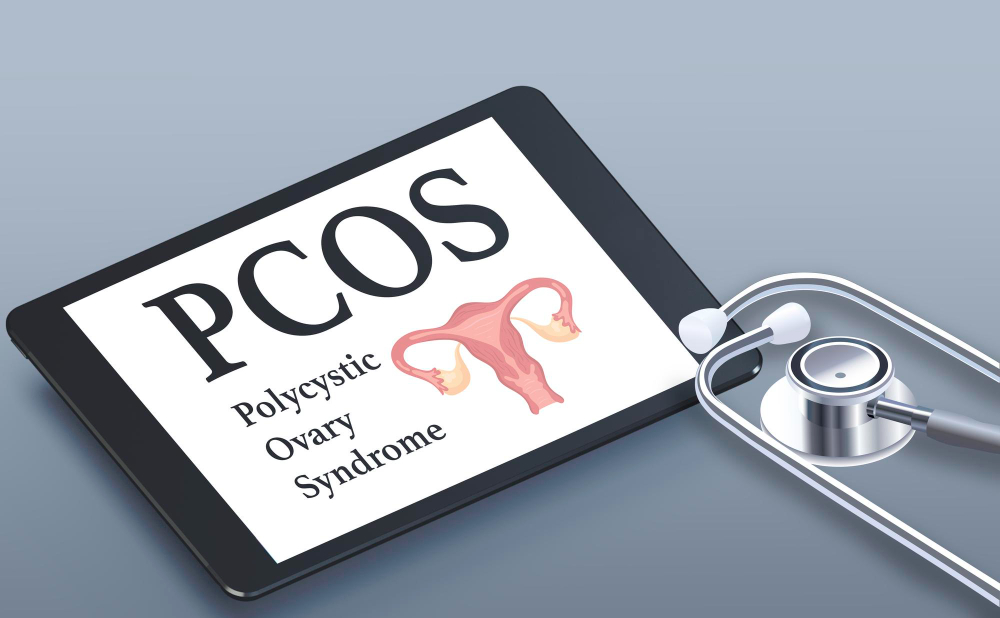
Introduction to PMOS/PCOS and Its Impact on Health
The condition formerly known as Polycystic Ovary Syndrome is now being renamed to Polyendocrine Metabolic Ovarian Syndrome to better reflect its hormonal, metabolic, reproductive, and mental health impact — not just ovarian “cysts.”
Common Symptoms and Causes of PMOS/PCOS
Many women with PCOS notice a mix of symptoms. However, not everyone has the same signs. Common symptoms include:
Doctors are not sure what causes PCOS. But, it often runs in families. Hormone imbalance and insulin resistance play a big role. Insulin resistance means the body has trouble using insulin, which can lead to higher blood sugar levels. This can make symptoms worse.
The Role of Guided Physiotherapy in Managing PMOS/PCOS
Guided exercise and physiotherapy play a major role in improving PMOS/PCOS because the condition is strongly linked with insulin resistance, chronic inflammation, weight fluctuations, stress hormone imbalance, pelvic dysfunction, and reduced physical activity tolerance.
Here’s how physiotherapy helps:
• Structured exercise improves insulin sensitivity, helping the body use glucose more efficiently and reducing metabolic stress. This can improve energy levels, weight regulation, and hormonal balance.
• Strength training and aerobic conditioning help reduce abdominal fat and lower androgen levels, which may improve symptoms like irregular cycles, acne, fatigue, and excessive hair growth.
• Guided physiotherapy helps regulate the nervous system and stress response through breathing exercises, posture correction, mobility work, and graded activity — important because stress can worsen hormonal imbalance.
• Pelvic and core rehabilitation improve circulation, posture, low back pain, pelvic discomfort, and overall movement confidence, especially in women experiencing fatigue, obesity, or sedentary lifestyles.
• Consistent exercise has also shown benefits for mood, anxiety, sleep quality, and long-term cardiovascular health, which are commonly affected in PMOS.
A guided physiotherapy approach is often more sustainable because exercises are individualized according to:
For many women, the goal is not just weight loss — it is restoring metabolic efficiency, hormonal balance, strength, stamina, and quality of life.
Conclusion
“PMOS/PCOS management goes beyond medications. Guided physiotherapy and exercise therapy help improve insulin sensitivity, hormonal regulation, metabolic health, weight management, stress response, and overall physical wellbeing through structured movement and lifestyle rehabilitation.”