
What is Paraparesis?
Paraparesis means weakness in both legs. It can make walking and daily tasks hard. Often, people with paraparesis feel less control over their legs. Because of this, they may need help to move or stand. Paraparesis can happen suddenly or develop slowly. Early care is important for better recovery. Physiotherapy for paraparesis is a key part of treatment. It helps people regain leg strength and improve mobility.
Common Symptoms and Causes of Paraparesis
People with paraparesis may notice several signs. For example, they might feel:
There are many causes of paraparesis. Some common reasons include:
Because the causes vary, a doctor will do tests to find the reason. Early diagnosis helps guide the best treatment plan.
The Role of Physiotherapy in Paraparesis Recovery
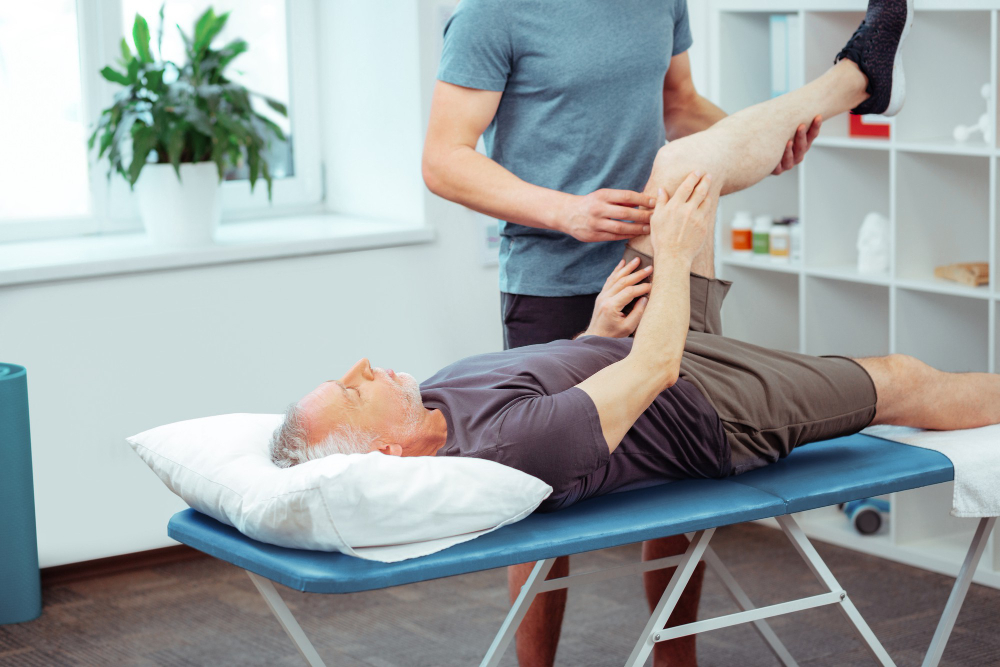
Physiotherapy for paraparesis is vital for recovery. It helps people regain movement and strength. In many cases, therapy starts soon after diagnosis. Early treatment can prevent muscle loss and joint stiffness. Physiotherapists use special exercises to target weak muscles. They also teach safe ways to move and stand. As a result, patients can become more independent. Paraparesis rehabilitation often includes:
With regular sessions, many people see steady progress. However, each person’s recovery is different. A personalized plan works best.
Matrix Rhythm Therapy: An Innovative Approach
Matrix rhythm therapy for paraparesis is a new method. It uses gentle vibrations to help muscles and tissues. This therapy was developed by scientists in Germany. The goal is to improve blood flow and cell health. During a session, a therapist uses a special device on the skin. The device sends rhythmic pulses to the muscles. Because of this, the muscles relax and heal better. Matrix rhythm therapy is safe and painless. It can be used along with other physiotherapy methods.
Benefits of Matrix Rhythm Therapy for Paraparesis
Matrix rhythm therapy offers several benefits for people with paraparesis. For example, it can:
Because it is gentle, most people tolerate it well. Studies in medical journals show that this therapy can help improve mobility in paraparesis. It may also help people regain leg strength after paraparesis.
Tips for Regaining Strength and Mobility
Recovering from paraparesis takes time and effort. However, there are steps you can take to help your progress:
With patience and regular practice, many people see steady gains. Always talk to your therapist before trying new activities.
Prevention and Lifestyle Guidance
While some causes of paraparesis cannot be prevented, healthy habits can lower risks. For instance, you can:
Because early care makes a difference, do not ignore new symptoms. Quick action can help prevent further problems.
When to Consult a Specialist
If you notice sudden weakness, numbness, or trouble walking, seek medical help right away. Early treatment can prevent lasting damage. In addition, talk to a physiotherapist if you have ongoing leg weakness. They can guide you on the best exercises and therapies. For advanced care, a rehabilitation specialist may suggest new treatments like matrix rhythm therapy. Remember, every person’s needs are unique. Personalized care leads to better results.
Consult a physiotherapist or rehabilitation specialist for personalized guidance on paraparesis recovery.