
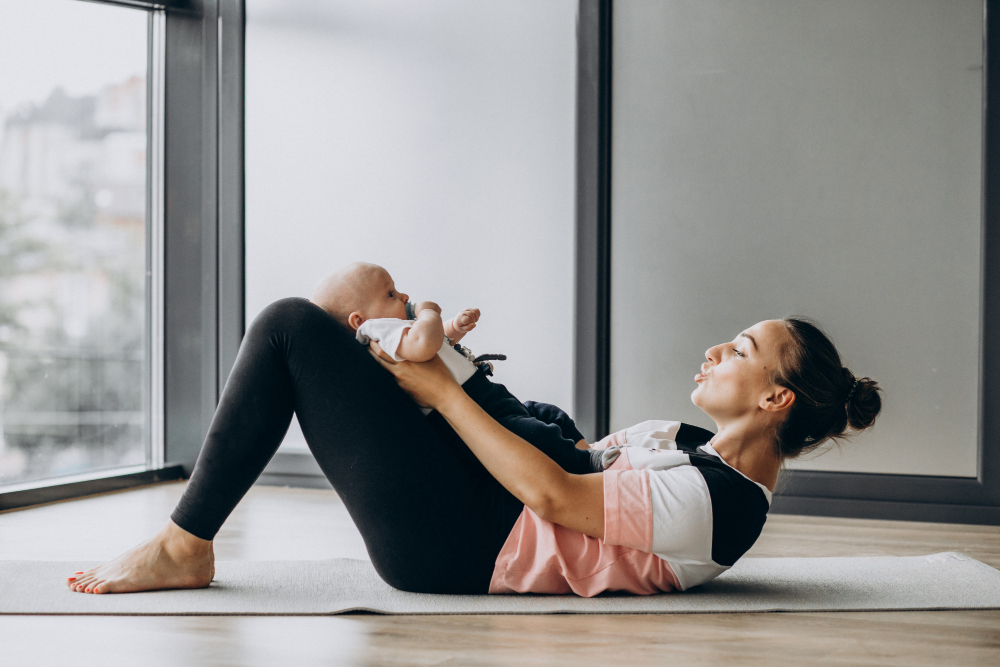
Introduction: Understanding Postnatal Lower Back Weakness
Many new mothers experience postnatal lower back weakness after giving birth. This condition can make daily tasks harder. For example, lifting your baby or even standing for long periods may feel difficult. Because your body changes a lot during pregnancy, your back and core muscles may become weak. As a result, you might notice pain or discomfort in your lower back. Addressing this weakness is important for your recovery and long-term health. Therefore, learning about core rebuilding after pregnancy can help you feel stronger and more confident.
Symptoms: Common Signs and Their Impact
Postnatal lower back weakness can show up in many ways. While some symptoms are mild, others may affect your daily life. Here are some common signs:
Because these symptoms can make caring for your baby harder, it is important to address them early. In some cases, ignoring these signs may lead to long-term problems.
Causes: Why Does Lower Back Weakness Happen After Childbirth?
During pregnancy, your body goes through many changes. For instance, your growing belly stretches your abdominal muscles. At the same time, your back muscles work harder to support your body. Hormones like relaxin also loosen your joints and ligaments. As a result, your lower back can become weak and less stable. After childbirth, these muscles may not return to their original strength right away. In addition, lifting and carrying your baby can strain your back even more. According to the World Health Organization (WHO), these changes are common and affect many new mothers.
Diagnosis: How Professionals Assess Postnatal Lower Back Weakness
If you notice ongoing back pain or weakness, it is wise to see a healthcare professional. Usually, a doctor or physiotherapist will ask about your symptoms and medical history. Next, they may perform a physical exam to check your muscle strength and posture. Sometimes, they might use simple movement tests to see how your back and core work together. In rare cases, imaging tests like X-rays are needed. However, most diagnoses rely on your symptoms and a careful exam. Early assessment can help you get the right treatment and prevent further problems.
Importance of Core Rebuilding: Why Strengthening Matters
After pregnancy, rebuilding your core is essential for recovery. Your core includes muscles in your belly, back, and hips. When these muscles are strong, they support your spine and help you move safely. Because weak core muscles can lead to pain and injury, strengthening them is key. In fact, research shows that core rebuilding after pregnancy can improve posture, reduce back pain, and boost confidence. Moreover, a strong core makes it easier to care for your baby and return to daily activities. Therefore, focusing on safe postpartum exercises is important for every new mom.
Safe Core Exercises: Beginner-Friendly and Evidence-Based
Before starting any exercise, always check with your doctor. Once you get the green light, try these safe postpartum exercises:
Because these exercises are gentle, they help rebuild strength without straining your back. Start slowly and increase repetitions as you feel stronger.
Prevention and Lifestyle Tips: Keeping Your Back Healthy
Maintaining a healthy back after childbirth is possible with a few simple steps. Here are some tips to support your recovery:
Because small changes add up, these habits can make a big difference in your recovery.
When to Seek Professional Help: Warning Signs and the Role of Physiotherapists
Sometimes, home care is not enough. If you notice severe pain, numbness, or weakness in your legs, seek help right away. Also, if your back pain does not improve after a few weeks, talk to a healthcare provider. Physiotherapists can design a safe, personalized plan for core rebuilding after pregnancy. They can also teach you proper movement and lifting techniques. Early support can speed up your recovery and prevent long-term issues.
In summary, postnatal lower back weakness is common but manageable. With safe postpartum exercises and healthy habits, you can rebuild your core and enjoy motherhood. Consult a physiotherapist for personalized postnatal recovery guidance.