
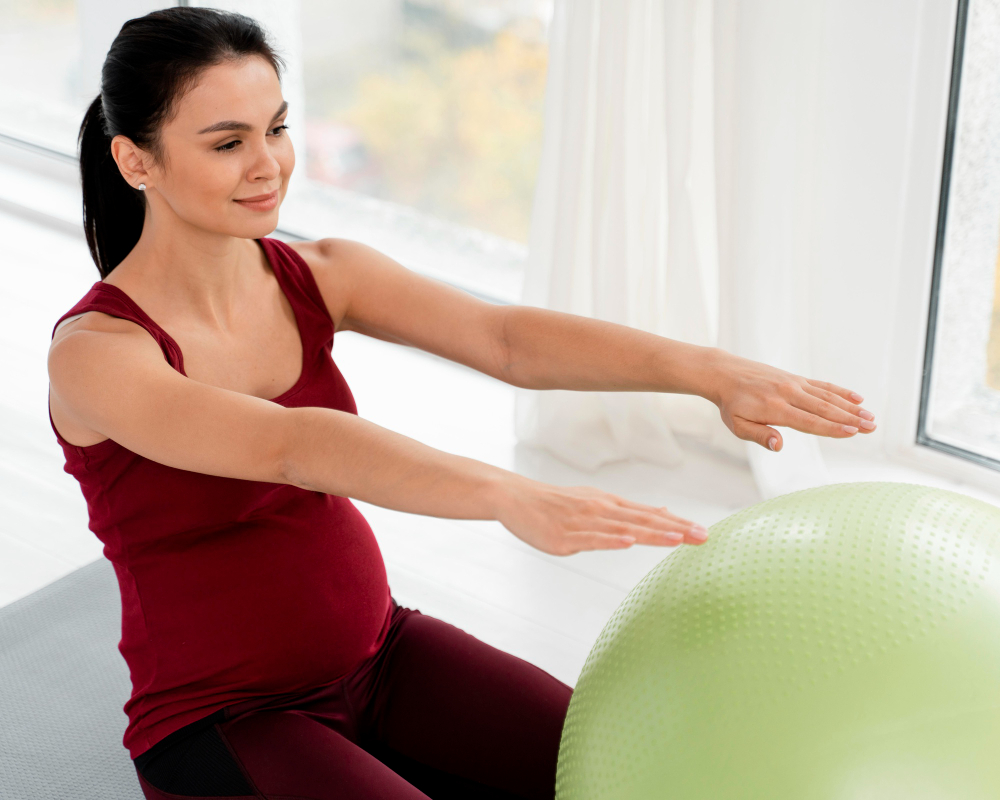
Prenatal and postnatal physiotherapy helps mothers-to-be stay healthy before and after childbirth. Prenatal physiotherapy supports women during pregnancy, while postnatal physiotherapy aids recovery after delivery. Both types of care can ease pain, improve movement, and boost well-being. Because every pregnancy is unique, these therapies offer safe and gentle ways to support mothers. In this blog, you will learn about the benefits, techniques, and tips for safe physiotherapy during and after pregnancy.
What is Prenatal Physiotherapy?
Prenatal physiotherapy is care given to women during pregnancy. It focuses on keeping the body strong and flexible. For example, it helps manage pain, improve posture, and prepare the body for childbirth. Many women experience back pain, swelling, or muscle weakness while pregnant. However, prenatal physiotherapy can help reduce these problems. It also teaches safe exercises and stretches for each stage of pregnancy.
Benefits of Prenatal Physiotherapy
There are many prenatal physiotherapy benefits for mothers-to-be. Some of the key benefits include:
Additionally, regular physiotherapy can lower stress and boost confidence during pregnancy. According to the World Health Organization (WHO), physical activity during pregnancy is safe and helpful for most women.
Common Prenatal Physiotherapy Techniques
Physiotherapists use gentle and safe methods for pregnant women. Some common prenatal physiotherapy techniques include:
Moreover, these techniques are always adjusted to fit each woman’s needs. For example, exercises are chosen based on the stage of pregnancy and any health concerns.
What is Postnatal Physiotherapy?
Postnatal physiotherapy is care given after childbirth. It helps mothers recover and regain strength. Many women face issues like muscle weakness, joint pain, or bladder problems after delivery. However, postnatal physiotherapy can help address these concerns. It also supports mental well-being and helps mothers return to daily activities safely.
Benefits of Postnatal Physiotherapy
There are many benefits to postnatal physiotherapy exercises and care. Some important benefits are:
Furthermore, the Centers for Disease Control and Prevention (CDC) recommends gentle exercise after childbirth to improve health and mood.
Common Postnatal Physiotherapy Techniques
Safe physiotherapy after childbirth includes several helpful methods. Some common postnatal physiotherapy techniques are:
In addition, physiotherapists may suggest special exercises for women who had a cesarean section or other complications.
When to Consult a Physiotherapist
It is important to know when to seek help. You should consult a physiotherapist if you:
Early support can prevent problems and speed up recovery. If you live in a specific area, look for “prenatal physiotherapy in [Your City]” for local care.
Tips for Safe Physiotherapy During Pregnancy and After Delivery
To stay safe, always follow these tips for physiotherapy during and after pregnancy:
Remember, every woman’s body is different. Therefore, always listen to your body and seek help if unsure.
Prevention and Lifestyle Guidance
Besides physiotherapy, healthy habits can support your well-being. Here are some prevention and lifestyle tips:
With the right care, you can enjoy a healthier pregnancy and smoother recovery after childbirth.
Conclusion
Prenatal and postnatal physiotherapy offers essential care for mothers-to-be. It helps manage pain, supports recovery, and improves quality of life. For the best results, consult a qualified physiotherapist for personalized prenatal and postnatal care.