
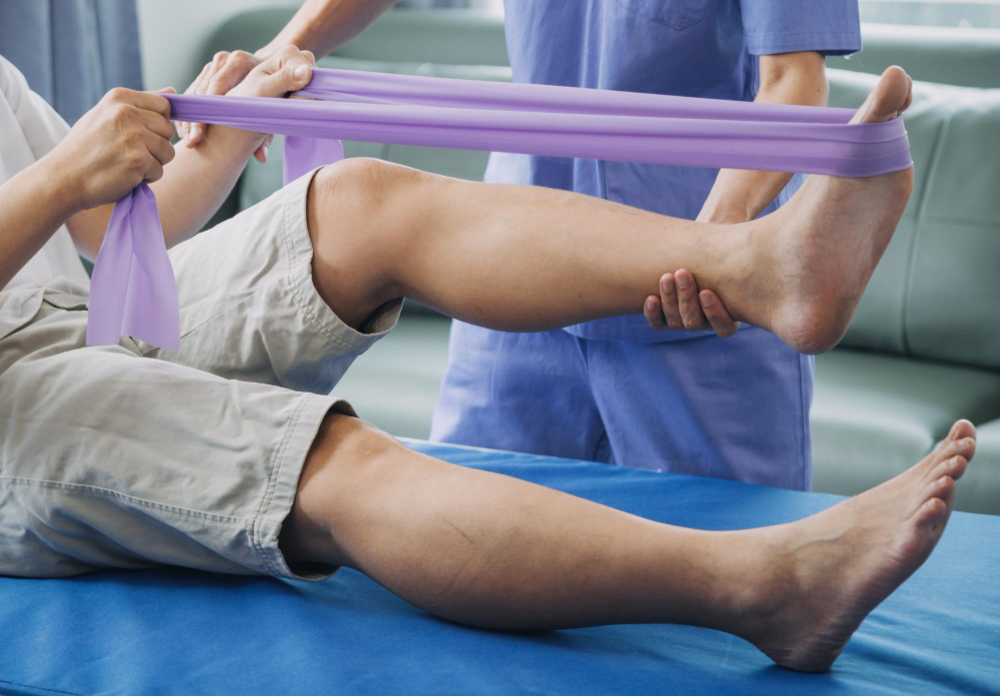
Introduction
Total knee replacement, also called TKR, is a surgery that replaces a damaged knee joint with an artificial one. Many people need this surgery because of pain or trouble moving due to arthritis or injury. Rehabilitation for TKR is very important. It helps you regain strength, movement, and confidence after surgery. Without proper rehab, your knee may stay stiff or weak. In many cities, local rehab centers and physical therapists can help guide your recovery. According to the CDC, most people recover well when they follow a rehab plan.
Goals of Rehabilitation After TKR
After TKR, rehab has clear goals. First, you want to reduce pain and swelling. Next, you work to restore knee movement. Over time, you build strength in your leg muscles. Also, you practice walking and doing daily tasks safely. With the right rehab, you can return to your favorite activities. For many, this means walking, climbing stairs, or even gentle sports. Each goal helps you get back to a normal life.
Common Phases of TKR Rehabilitation
Key Exercises and Activities
Doing the right exercises is vital for knee replacement recovery. These activities help you heal faster and move better. Always follow your therapist’s advice and stop if you feel sharp pain.
Many therapists recommend doing these exercises several times a day. Over time, you can add more challenging activities as your knee improves.
Managing Pain and Swelling During Recovery
Pain and swelling are common after TKR. However, there are ways to manage them. First, use ice packs on your knee for 15–20 minutes at a time. Next, keep your leg raised when resting. This helps reduce swelling. In addition, your doctor may suggest pain medicine or anti-inflammatory drugs. Gentle movement, like ankle pumps, also helps. But if pain gets worse or does not improve, let your healthcare team know. According to the CDC, controlling pain early leads to better rehab results.
Tips for Safe and Effective Home Rehabilitation
Many people do part of their rehab at home. To stay safe and get the best results, try these tips:
With steady effort, most people see big improvements in a few months. If you need extra support, many cities offer home rehab visits or local therapy centers.
Signs to Watch For and When to Seek Medical Advice
While most recoveries go well, some signs mean you should call your doctor. For example, watch for:
If you notice any of these, contact your healthcare provider right away. Early help can prevent bigger problems.
Preventing Complications After TKR
After knee replacement, it is important to avoid problems. First, keep your wound clean and dry. Next, move your ankle and foot often to prevent blood clots. In addition, take all medicines as your doctor prescribes. Avoid sitting for long periods without moving. If you travel, stand up and stretch every hour. According to the World Health Organization, following these steps lowers your risk of infection and other issues. With good care, most people recover well after TKR.