
Many women experience changes in their bodies after childbirth. Managing diastasis recti after pregnancy is important for recovery and well-being. Diastasis recti means the muscles in the middle of your belly have separated. This often happens during pregnancy. However, with the right care and physiotherapy, you can improve your core strength and feel better. Let’s explore what diastasis recti is, how to spot it, and the best ways to manage it safely.
What is Diastasis Recti?
Diastasis recti is a gap between the left and right belly muscles. During pregnancy, your growing baby stretches these muscles. As a result, the tissue in the middle can become thin and weak. This condition is called postpartum abdominal separation. It is common, especially in women who have had more than one pregnancy. Although it is not dangerous, it can cause discomfort and affect your posture. Understanding the causes helps you take steps to heal.
Symptoms and Signs
It is important to know the signs of diastasis recti after pregnancy. Early recognition helps you start safe exercises for diastasis recti. Look for these symptoms:
Sometimes, you may also notice bloating or a soft spot along your midline. If you see these signs, you may have postpartum abdominal separation.
Diagnosis
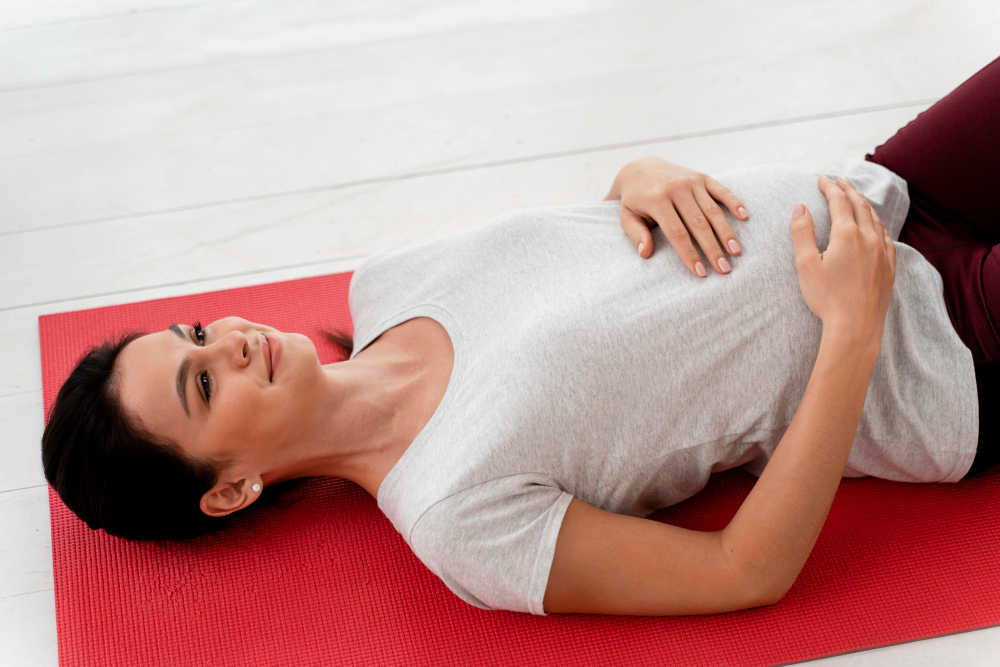
Diagnosing diastasis recti is simple. You can do a self-check at home. First, lie on your back with knees bent. Next, place your fingers just above your belly button. Then, gently lift your head and shoulders off the floor. If you feel a gap or your fingers sink in, you may have diastasis recti. However, for a full diagnosis, a physiotherapist or doctor will check your belly. They may measure the gap and suggest the best treatment. Sometimes, an ultrasound is used for a more detailed look. Early diagnosis helps you start the right care.
Physiotherapy and Treatment Options
Physiotherapy for new mothers is the main treatment for diastasis recti. Gentle, targeted exercises help close the gap and strengthen your core. Always start with safe exercises for diastasis recti. Here are some key exercises and tips:
For safety, remember these tips:
With regular physiotherapy, many women see improvement in a few months. Studies show that guided exercises are effective (source: PubMed, 2022).
Lifestyle Guidance and Prevention
Besides exercises, daily habits matter. Good posture protects your core. When you stand, keep your shoulders back and your belly gently pulled in. While lifting your baby, bend your knees and keep your back straight. In addition, avoid straining during bowel movements. Eating fiber-rich foods can help. Wearing a support belt may also give comfort, but it is not a cure. Prevention is easier when you use safe movement patterns every day.
When to Seek Professional Help
Sometimes, diastasis recti needs extra care. If you notice severe pain, hernia (a lump that does not go away), or trouble with daily tasks, see a physiotherapist or doctor. Also, if your gap does not improve after a few months of exercises, professional help is important. Early support can prevent long-term problems. Always ask for advice if you are unsure about your symptoms.
Frequently Asked Questions
Can diastasis recti heal on its own?
In many cases, mild diastasis recti improves with time and gentle exercises. However, for some women, the gap stays. Physiotherapy speeds up healing and helps prevent future issues.
Is it safe to exercise with diastasis recti?
Yes, but you must choose safe exercises for diastasis recti. Avoid crunches and heavy lifting. Focus on gentle core strengthening. Always listen to your body and stop if you feel pain.
How long does recovery take?
Recovery time varies. Some women see results in a few weeks, while others need several months. Consistency with physiotherapy for new mothers is key.
Conclusion and Call-to-Action
Managing diastasis recti after pregnancy is possible with the right steps. Early diagnosis, safe exercises, and healthy habits make a big difference. If you have concerns, consult a physiotherapist or healthcare provider. Personalized advice helps you recover safely and feel your best.